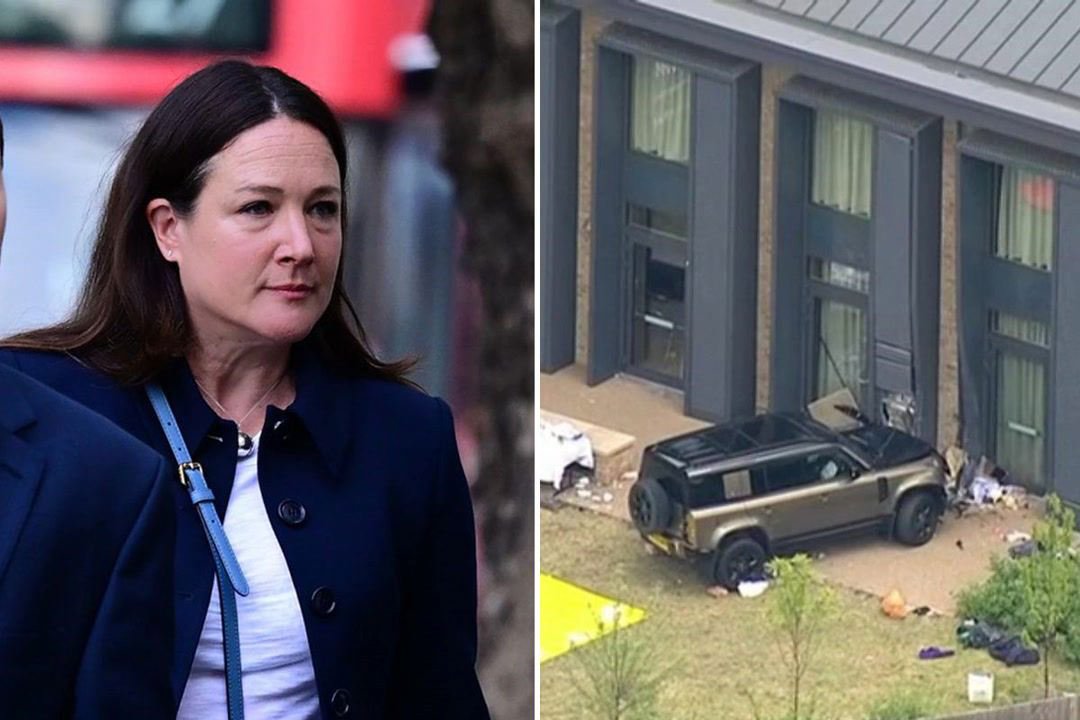
Claire Freemantle has become a familiar face on BBC News, particularly during major global events. Her calm delivery and authoritative presence have made her a trusted source for viewers seeking reliable information. But what is the story behind this seasoned journalist?
How Freemantle’s Reporting Has Connected with Audiences
Freemantle’s reporting from the 2004 Indian Ocean tsunami brought the scale of the disaster into living rooms worldwide. Her ability to convey complex situations with clarity has earned her praise from colleagues and viewers alike. During the 2023 coronation of King Charles III, she served as a lead presenter, guiding millions through the historic ceremony. Her work in conflict zones, including Afghanistan and Ukraine, has further demonstrated her commitment to frontline journalism. Background on Claire Freemantle is documented in Woman in court over fatal Wimbledon school crash – BBC
What Is Claire Freemantle Doing Now in 2024
As of 2024, Freemantle continues to be a regular presenter on the BBC News channel, often anchoring afternoon and evening slots. She also appears as a relief presenter on BBC Breakfast. Her role remains central to the BBC’s coverage of breaking news, where she is valued for her steady hand under pressure. According to some sources, she is also involved in training new journalists within the organization.
Key Milestones in Claire Freemantle’s Career
| Year | Milestone |
|---|---|
| 2000 | Joined BBC as a broadcast journalist |
| 2004 | Reported on the Indian Ocean tsunami |
| 2010s | Presented BBC News at One and BBC News at Six |
| 2023 | Lead presenter for coronation coverage |
Freemantle began her career in local radio before moving to television. She studied at the University of Cambridge, which provided a strong foundation for her journalism. Over the years, she has covered a wide range of stories, from political summits to natural disasters.
How Claire Freemantle Compares to Other BBC Presenters
Unlike some of her colleagues who specialize in a single program, Freemantle has demonstrated versatility across multiple BBC News platforms. She has presented both the BBC News at One and the BBC News at Six, as well as serving as a relief presenter for BBC Breakfast. This breadth of experience sets her apart from presenters who remain anchored to one show. Her reporting from conflict zones also adds a layer of credibility that not all studio-based presenters possess.
Frequently Asked Questions
What is Claire Freemantle best known for?
Claire Freemantle is best known for her work as a presenter on BBC News and BBC World News. She gained recognition for her coverage of the 2004 Indian Ocean tsunami and her lead role in the 2023 coronation of King Charles III.
How does Claire Freemantle differ from other BBC newsreaders?
Freemantle stands out for her extensive field reporting, including from conflict zones like Afghanistan and Ukraine. Many BBC newsreaders focus solely on studio presenting, whereas she combines anchoring with on-the-ground journalism.
Who is Claire Freemantle married to?
Details about Claire Freemantle’s personal life, including her marital status, are not publicly disclosed. She maintains a private life away from the camera, in line with many BBC journalists.
Is Claire Freemantle still working at the BBC?
Yes, Claire Freemantle continues to work at the BBC as of 2024. She regularly presents on the BBC News channel and occasionally fills in on BBC Breakfast.
How many years has Claire Freemantle been at the BBC?
Claire Freemantle joined the BBC in 2000, meaning she has been with the organization for over 24 years as of 2024.
What Training and Preparation Shaped Freemantle’s Career
Before joining the BBC, Freemantle honed her skills in local radio, a common starting point for many British journalists. Her time at the University of Cambridge gave her a strong academic background, but it was her hands-on experience in regional newsrooms that taught her the fundamentals of reporting. She learned to write concise scripts, conduct interviews under tight deadlines, and adapt to breaking news situations. These early years proved invaluable when she later faced the pressures of live television.
How Freemantle Balances Hard News with Human Stories
One of Freemantle’s strengths is her ability to weave human interest into hard news coverage. Whether reporting on natural disasters or political events, she often highlights the personal impact on ordinary people. This approach resonates with viewers who appreciate journalism that goes beyond statistics and official statements. Her coverage of the 2004 tsunami, for example, included interviews with survivors and aid workers, giving a face to the tragedy. Similarly, her work in Ukraine has focused on the resilience of civilians amid conflict.
Freemantle’s style reflects a broader trend in broadcast journalism toward empathetic storytelling. She avoids sensationalism while still conveying the emotional weight of events. This balance has helped her maintain credibility with audiences who seek both facts and context.