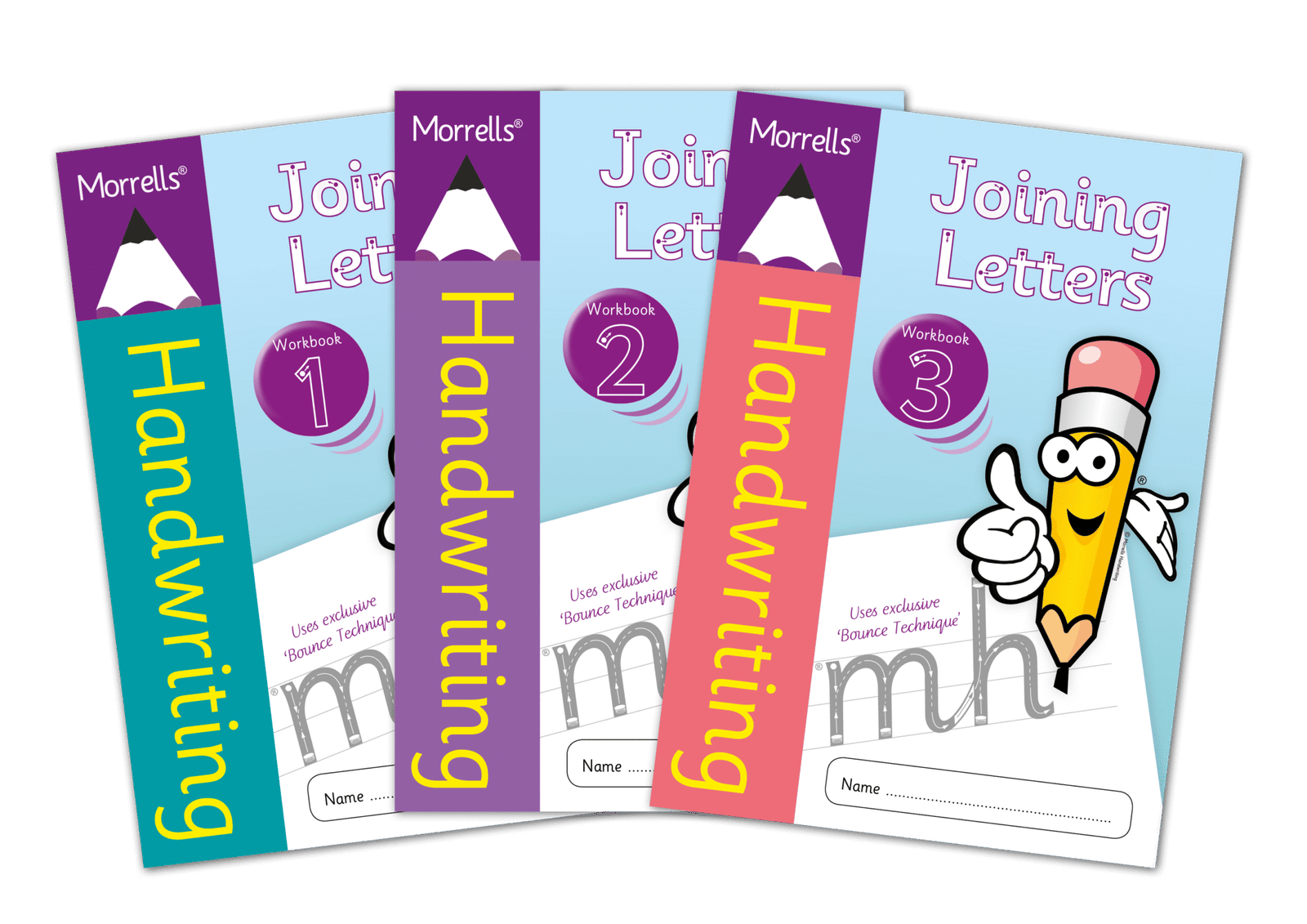
In 2024, a UK government report revealed that one in five children leave primary school with handwriting below expected standards. This statistic underscores a persistent challenge in British education. Despite the rise of tablets and laptops, handwriting books remain a cornerstone of classroom practice, especially in early years.
How Handwriting Books Are Used Across UK Regions and Schools
The National Curriculum mandates handwriting instruction from Key Stage 1, covering children aged 5 to 7. Schools in England, Wales, Scotland, and Northern Ireland all incorporate handwriting books, though approaches vary. In many English primary schools, cursive handwriting is introduced from Year 2 to promote fluency. Scottish schools often emphasize print script before transitioning to joined writing. The consistency across regions highlights the shared belief that handwriting books support fine motor skill development, which is critical for writing readiness. Schools with limited budgets find handwriting books more accessible than digital devices, ensuring equitable access to essential practice materials. A reference profile of the subject is maintained on The Future of Handwriting Practice in the UK: Digital vs Paper
Real-World Impact: Handwriting Books and Classroom Outcomes
Teachers report that regular use of handwriting books improves letter recognition and spelling more effectively than typing alone. A 2022 study by the University of London linked neat handwriting to higher exam marks, suggesting that legibility influences grading. The National Handwriting Association promotes handwriting as essential for literacy and cognitive development. During the COVID-19 pandemic, many children experienced handwriting skill regression, leading to increased demand for structured practice books. Ofsted inspections assess handwriting quality as part of writing standards, so schools prioritize consistent practice. Handwriting books also aid children with dyslexia by reinforcing letter formation through muscle memory, providing a tactile learning advantage.
The Origins of Handwriting Books in UK Education
The tradition of handwriting books in UK classrooms dates back to the 19th century, when copybooks were used to teach copperplate script. The 1870 Education Act made elementary education compulsory, and handwriting became a core subject. Modern handwriting books evolved from these early models, with publishers like Nelson and Schofield & Sims producing graded workbooks. The 2023 DfE Reading Framework recommends daily handwriting practice in primary schools, reinforcing the long-standing emphasis on penmanship. While digital tools have grown, the physical act of writing remains a foundational skill, supported by decades of educational research.
Common Misconceptions About Handwriting Books in the Digital Age
Some believe handwriting books are outdated in an era of keyboards. However, research shows handwriting activates brain regions involved in reading and memory. Another misconception is that typing is faster for young children; in reality, handwriting develops fine motor control that typing does not. Critics argue that handwriting books are less engaging than apps, but many teachers find that structured practice builds discipline and focus. There is also a myth that cursive is unnecessary, yet the National Curriculum includes it to improve speed and fluency. Finally, some think handwriting books are only for struggling students, but they benefit all learners by reinforcing literacy foundations.
{"@context":"https://schema.org","@type":"Article","headline":"Why Handwriting Books Still Matter in UK Classrooms: A 2025 Perspective","description":"Handwriting books remain vital in UK schools despite digital tools. Learn how they support literacy, motor skills, and exam performance from Key Stage 1 on","inLanguage":"english","datePublished":"2026-07-04T12:59:07.034Z","dateModified":"2026-07-04T12:59:07.034Z","mainEntityOfPage":{"@type":"WebPage","@id":"https://smarttechjournal.co.uk/why-handwriting-books-still-matter-in-uk-classrooms/"},"image":["https://zvuaaqarhuuzicvzwmwp.supabase.co/storage/v1/object/public/article-images/0c74096c-fc28-4d60-b4c5-f687b708ea18/1783169932304-why-handwriting-books-still-matter-in-uk-classrooms-e5596b6b.jpg"],"author":{"@type":"Person","name":"Marie Leblanc"}}
Related Posts Unveiling the Chetak Result on Arcarrierpoint: A Comprehensive GuideUnderstanding Chetak Result and Its Significance The Chetak Result is an important indicator of academic performance and a significant milestone for students in their educational journey. It serves as an assessment of students’ capabilities, reflecting… |
|---|