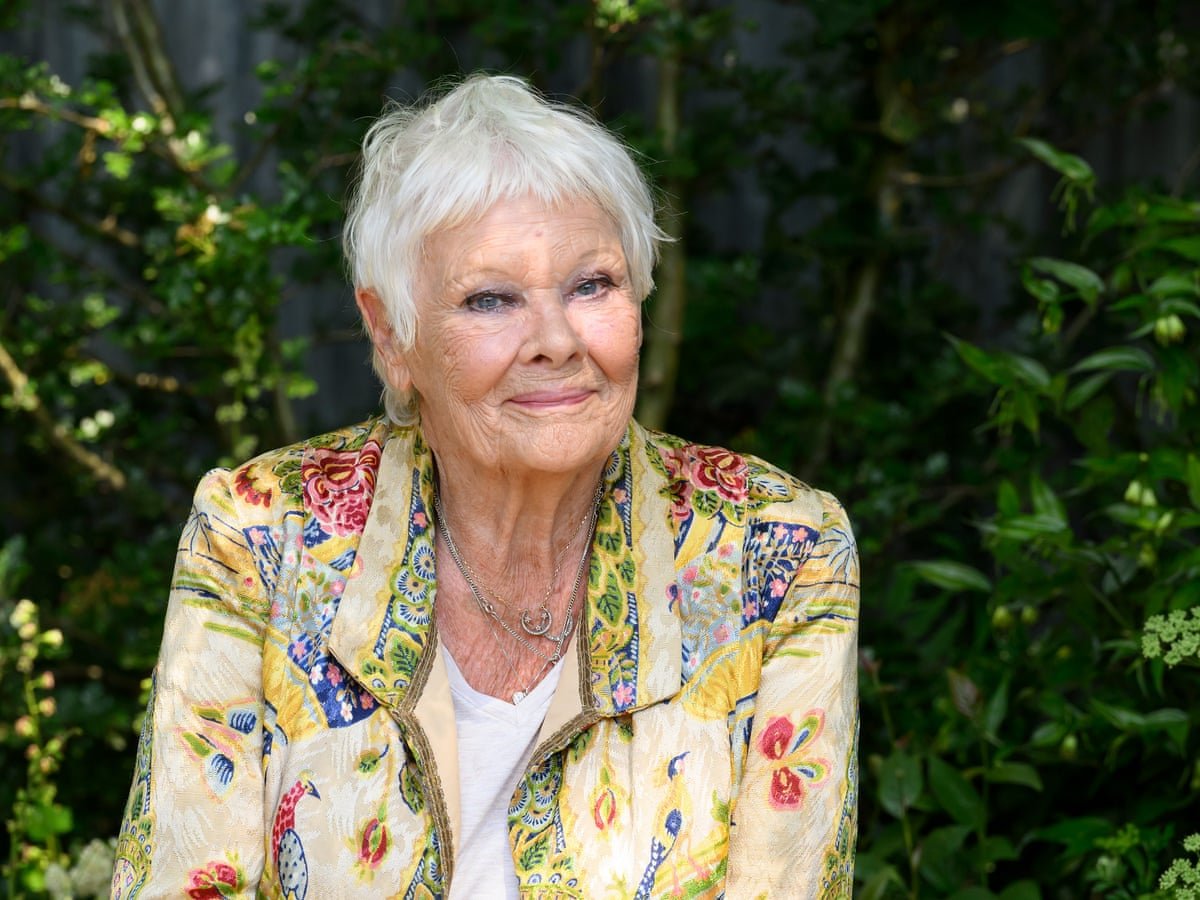
Many assume a Damehood and an Oscar guarantee a nine-figure fortune. For Judi Dench, the reality is more modest but still impressive. Her net worth sits at an estimated $45 million, built over six decades of steady, high-quality work rather than blockbuster paydays. Readers exploring Judi Dench Net Worth will also find context in Dua Lipa Net Worth: How the Pop Star Built Her $35 Million Fortune. Readers exploring Judi Dench Net Worth will also find context in Callum Turner Net Worth: How the Actor Built His $3 Million Fortune
Why British Audiences Hold Dench in Higher Regard Than Hollywood Does
In the United Kingdom, Dench is a national treasure. Her stage work with the Royal Shakespeare Company and her television roles in A Fine Romance and As Time Goes By made her a household name long before Hollywood came calling. American audiences know her primarily as M in the James Bond franchise, a role she voiced from 1995 to 2015. That transatlantic gap matters for her earnings. British television and theatre pay far less than American film. Dench’s net worth reflects a career rooted in the UK’s subsidised arts sector, where prestige often outweighs salary. Background on Judi Dench Net Worth is documented in Judi Dench Net Worth
Yet her Bond salary was substantial. Playing M across seven films, including Skyfall (2012), gave her a reliable income stream. The franchise’s global success also boosted her international profile, leading to higher fees for later projects.
Practical Lessons from Dench’s Long-Term Wealth Strategy
Dench’s financial path offers a clear takeaway: diversify income sources. She never relied on one medium. Film, television, theatre, and voice work all contributed. Her Oscar-winning turn in Shakespeare in Love (1998) earned her a supporting actress statue but also raised her market value. After that win, she could command higher fees for roles like the one in The Best Exotic Marigold Hotel (2011), a sleeper hit that added significantly to her net worth.
Another lesson is longevity. Dench continued working into her late 80s, with recent films like Allelujah (2022). Consistent work over decades, even at moderate pay, compounds into substantial wealth. She also avoided the financial pitfalls that plague many actors—no reported bankruptcies, lawsuits, or lavish spending scandals.
| Income Source | Key Contribution |
|---|---|
| James Bond franchise | Steady salary across 7 films (1995–2015) |
| Oscar win (Shakespeare in Love) | Boosted market value and fee negotiations |
| The Best Exotic Marigold Hotel | Box office hit that increased net worth |
| Television (A Fine Romance, As Time Goes By) | Long-running series provided steady income |
| Theatre (Royal Shakespeare Company) | Prestige but lower pay; built reputation |
The Cultural Roots of Dench’s Enduring Appeal
Dench’s career began in the 1950s, a time when British theatre was dominated by the Royal Shakespeare Company and the Old Vic. She trained at the Central School of Speech and Drama, then joined the RSC, where she performed in classics like Macbeth and A Midsummer Night’s Dream. That classical foundation gave her a gravitas that translated well to screen. Her stage training also made her a versatile performer, able to handle comedy, drama, and period pieces with equal skill.
Her appointment as a Dame Commander of the Order of the British Empire in 1988 cemented her status as a cultural institution. That honour, combined with eight BAFTA Awards, created a brand that producers trusted. Directors knew she would deliver, which kept her employed steadily. The cultural roots of her appeal lie in that blend of classical training, institutional recognition, and sheer reliability.
Strengths and Weaknesses of Dench’s Career Choices
The strongest aspect of Dench’s career is her range. She moved effortlessly from Shakespeare to Bond to sitcoms. That versatility kept her relevant across generations. A weaker claim is that she sometimes accepted roles that felt beneath her talent, such as the forgettable The Second Best Exotic Marigold Hotel (2015), a sequel that lacked the original’s charm. Critics argued she was coasting on reputation.
Another strength is her willingness to take risks. Her Broadway debut in Amy’s View (1999) earned a Tony nomination, proving she could conquer American theatre. On the downside, her net worth, while healthy, is lower than many peers with similar fame. Helen Mirren, for example, has a higher estimated net worth, partly due to more Hollywood blockbusters. Dench’s preference for British projects may have limited her earning potential.
Frequently Asked Questions
Why did Judi Dench’s net worth increase after The Best Exotic Marigold Hotel?
The film was a surprise box office hit, grossing over $136 million worldwide on a modest budget. Dench’s role as a widow finding new life in India resonated with older audiences, leading to higher demand for her in similar feel-good films and boosting her fee for the sequel.
Is it true that Judi Dench almost turned down the role of M in James Bond?
According to some sources, Dench initially hesitated because she thought the Bond franchise was too commercial. She eventually accepted after being convinced by director Martin Campbell. The role became one of her most iconic, spanning seven films and two decades.
How much does Judi Dench earn per film today?
Exact figures are not public, but industry estimates suggest she commands between $1 million and $3 million per film for lead roles in major productions. For smaller independent films, she may work for a reduced fee or a share of profits.
Who is Judi Dench’s most frequent collaborator?
She has worked multiple times with director John Madden, who directed her in Shakespeare in Love and The Best Exotic Marigold Hotel. She also frequently acted alongside actor Geoffrey Palmer in television series like As Time Goes By.
When did Judi Dench win her Academy Award?
She won the Academy Award for Best Supporting Actress in 1999 for her role as Queen Elizabeth I in Shakespeare in Love. She had been nominated previously for Mrs. Brown (1997) and would receive later nominations for Chocolat (2000) and Iris (2001).