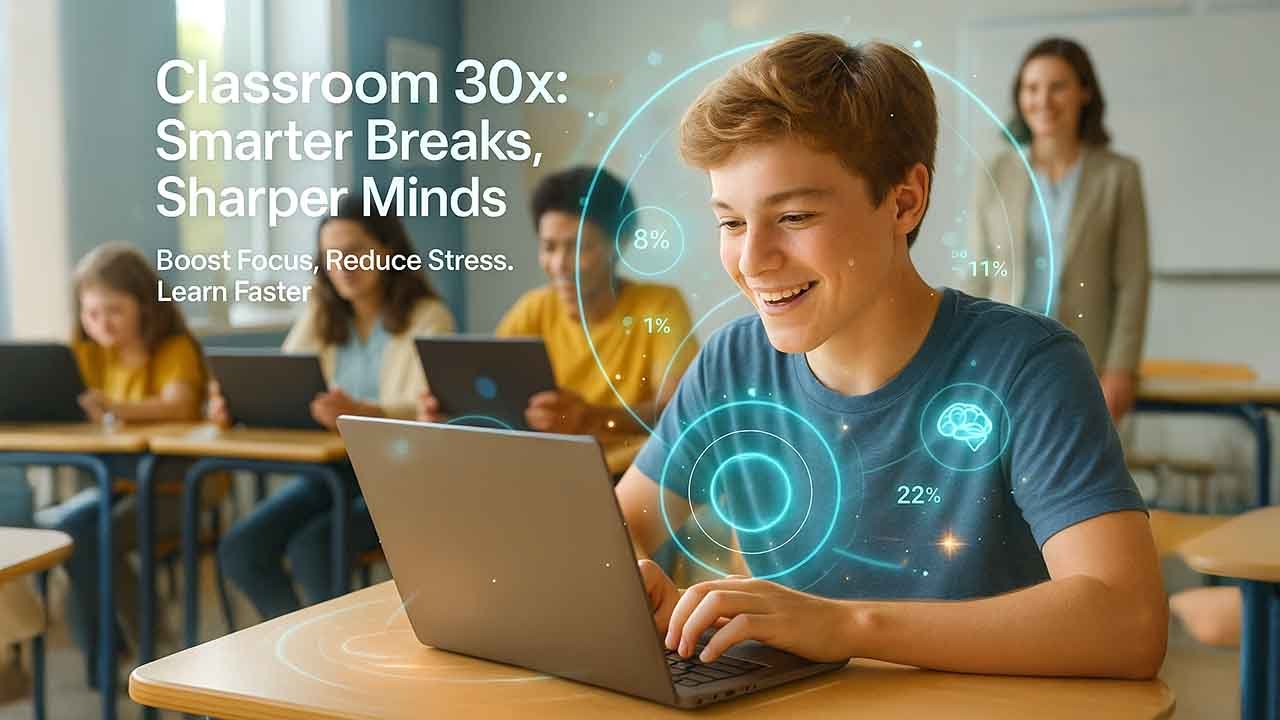
Understanding Classroom 30x
The concept of Classroom 30x represents a transformative approach to educational environments, emerging from the necessity to address the diverse learning needs of modern students. This innovative educational framework shifts away from traditional classroom layouts, embracing a design philosophy that prioritizes adaptability and inclusivity. The 30x model is not merely a redesign of physical spaces; it embodies a comprehensive evolution in pedagogical practices aimed at fostering an enriching learning experience.
Originating from research and insights into how contemporary learners engage with content, Classroom 30x emphasizes the importance of creating tailored learning environments. Each classroom is strategically designed to accommodate different teaching styles while enhancing students’ engagement and participation. Flexible seating arrangements play a vital role in this model, allowing learners to choose settings that best suit their individual preferences and learning styles. By incorporating various seating options, educators can cultivate a more dynamic atmosphere where collaboration thrives.
Additionally, Classroom 30x integrates cutting-edge technology to further enhance educational experiences. Tools such as interactive whiteboards, tablets, and collaborative software are seamlessly woven into the fabric of the classroom, empowering both students and teachers. This integration of technology not only supports differentiated learning pathways, but also encourages students to take ownership of their educational journeys. By utilizing these tools, the classroom environment transforms into a vibrant and engaging space.
Ultimately, Classroom 30x signifies a comprehensive strategy that seeks to redefining traditional educational norms. Through its focus on flexible learning environments, innovative seating options, and technological integration, it champions a more engaging and effective learning experience, setting the stage for success in an ever-evolving educational landscape.
Benefits of Implementing Classroom 30x
The Classroom 30x approach represents a transformative shift in educational design that profoundly enhances learning experiences for students, educators, and institutions. By prioritizing collaborative and personalized learning, this model cultivates an environment that encourages active participation and engagement among learners. Recent studies indicate that classrooms designed with flexibility and innovation yield improvements in student motivation and academic performance.
One of the primary advantages of the Classroom 30x model is its emphasis on student engagement. Traditional learning spaces often confine students to rigid seating arrangements that can stifle creativity and collaboration. In contrast, Classroom 30x promotes varied seating options, allowing students to organize their environments to enhance their learning preferences. Results from educational research demonstrate that when students have a choice in their learning environment, they tend to be more invested in their studies, leading to higher retention of information.
Moreover, the design of these innovative classrooms fosters collaboration. By incorporating open spaces and collaborative zones, students can work together on projects more effectively. Teachers have reported notable improvements in group dynamics and communication skills among students who engage in collective problem-solving within the supportive framework of Classroom 30x. Testimonials from educators reveal that this collaborative atmosphere has transformed the way students interact with peers and engage with course material.
In addition to enhancing engagement and collaboration, Classroom 30x supports personalized learning pathways. By accommodating different learning styles and paces, this approach allows educators to tailor their instruction to meet the diverse needs of their students. As a consequence, learners are provided with a more meaningful educational experience, fostering deeper understanding and critical thinking skills. Educators champion this personalized focus, highlighting its effectiveness in addressing the individual strengths and challenges of students across varied demographics.
Strategies for Transitioning to Classroom 30x
Transitioning to the Classroom 30x model represents a paradigm shift in educational practices. This innovative learning space requires careful planning and organization to facilitate a smooth implementation process. Educators and school administrators must prioritize a structured approach to ensure that the transition meets the needs of both students and staff.
First and foremost, conducting an assessment of existing resources is essential. Schools must evaluate their current infrastructure, focusing on technology, classroom furniture, and learning tools that support an interactive and collaborative environment. Allocating sufficient funds for these resources will prove critical in creating a fully functional Classroom 30x setting.
Staff training is another cornerstone in making this transition successful. Educators should receive professional development opportunities that emphasize best practices for classroom management, technology integration, and student engagement strategies tailored to the Classroom 30x model. Facilitating workshops and engaging experienced trainers can significantly equip staff with the skills they need to thrive in this new environment.
The curriculum delivery also demands reconsideration. Teachers may need to adopt a more flexible approach that embraces project-based learning, individualized instruction, and cross-curricular integrations. This shift could involve redesigning lesson plans to ensure they align with the dynamic nature of the Classroom 30x philosophy, thereby fostering greater student accountability and active participation.
Challenges are inevitable during this transition period. Common issues may include resistance from staff accustomed to traditional teaching methods, inadequate resources, or difficulty in adapting to new technologies. To address these obstacles, creating an open line of communication is vital. Regular feedback sessions can help educators voice concerns, while dedicated teams can tackle logistical issues and identify ongoing support mechanisms.
Overall, a well-structured approach that encompasses assessment, training, and curriculum adaptation creates the foundation for a successful transition to Classroom 30x, ultimately redefining educational experiences within schools.
The Future of Classroom 30x
The evolution of the educational landscape continues to gain momentum, with Classroom 30x emerging as a pivotal model that may redefine learning spaces. As technology advances, the integration of digital learning resources into everyday teaching practices is likely to expand. This paradigm shift influences how educators approach curriculum delivery and learner engagement, making Classroom 30x a centerpiece for such transformations.
One of the most notable trends influencing the future of Classroom 30x is the increasing emphasis on student-centered learning paradigms. Unlike traditional approaches that prioritize instructor-led lectures, this model promotes active student involvement in the learning process. With this shift, Classroom 30x seeks to create environments that facilitate collaboration, critical thinking, and creativity, essential skills for students navigating a rapidly changing world.
Furthermore, the ongoing growth of online education platforms and resources presents both opportunities and challenges for Classroom 30x. As hybrid learning environments become commonplace, fostering a dynamic space where technology and interpersonal interactions coexist will be crucial. Educators will need to find innovative ways to blend digital content with hands-on experiences, thus maximizing the benefits of both methodologies.
In addition to technological advancements, the Classroom 30x model may also inspire further innovations in educational design. These innovations could encompass adaptive learning technologies that offer personalized learning experiences and flexible physical spaces tailored to various teaching styles and learner needs. By harnessing these developments, educators can prepare the next generation for future challenges, equipping them with the necessary tools to thrive in a diverse and interconnected global landscape.