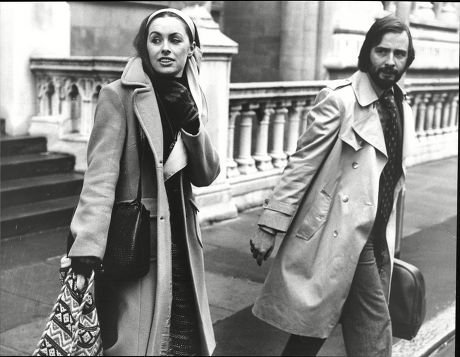
In 1973, a young secretary named Sheila Buckley sat before the Senate Watergate Committee and admitted to helping hide evidence of a political scandal. She was not a high-ranking official, but her actions made her a key figure in the cover-up that brought down a presidency. Buckley worked closely with White House counsel John Dean, shredding documents and coordinating payments to silence the burglars. Her testimony helped unravel the conspiracy, but it also led to her own indictment.
How a White House Secretary Became Part of the Watergate Cover-Up
Sheila Buckley joined the Nixon White House staff in 1970 as a secretary in the counsel’s office. She soon became the personal secretary to John Dean, the man who would later become the administration’s chief Watergate whistleblower. According to Senate testimony, Buckley helped Dean shred incriminating documents and relay messages to other aides involved in the cover-up. She also assisted in arranging hush-money payments to the Watergate burglars, a scheme that prosecutors later described as obstruction of justice. Buckley’s role was not a minor one; the Watergate tapes captured her voice discussing the logistics of the cover-up with Dean and others. Public records covering this story are gathered in What happened to John Stonehouse's mistress Sheila Buckley and where …
| Event | Date | Outcome for Buckley |
|---|---|---|
| Testified before Senate Watergate Committee | 1973 | Publicly admitted role in cover-up |
| Indicted for conspiracy and obstruction | 1974 | Faced up to 5 years in prison |
| Pleaded guilty to one count of conspiracy | 1974 | Sentencing deferred for cooperation |
| Received suspended sentence and fine | 1975 | One year suspended, $500 fine |
Why Buckley’s Story Resonates Beyond Washington
Sheila Buckley’s case is often cited as an example of how low-level staffers can become entangled in high-level corruption. Her story has been featured in documentaries and books about Watergate, and it continues to be studied by students of political ethics. In the United Kingdom, where the Watergate scandal is less familiar, Buckley’s role gained attention through the ITV drama Stonehouse, which depicted her relationship with John Dean. The drama highlighted how ordinary people can be drawn into extraordinary events, a theme that resonates across cultures. Buckley’s experience also serves as a cautionary tale about the pressures of loyalty in a political environment.
Common Misunderstandings About Sheila Buckley’s Role
One common misconception is that Buckley was a central architect of the cover-up. In reality, she was a secretary who followed orders, though she knowingly participated in illegal activities. Another misunderstanding is that she was a close confidante of President Nixon. Buckley never met Nixon personally; her interactions were limited to Dean and other mid-level aides. Some also believe she received a light sentence because of her gender or youth. While her cooperation certainly helped, the leniency was standard for lower-level defendants who provided substantial assistance to prosecutors. Buckley’s guilty plea to a single conspiracy count reflected her limited but real culpability.
Behind the Scenes: How Buckley’s Cooperation Unfolded
After her indictment, Buckley agreed to cooperate fully with the Watergate special prosecutor. She provided detailed testimony about the cover-up, including the destruction of documents and the payment scheme. Her cooperation was considered valuable because she could corroborate Dean’s account and fill in gaps in the evidence. The prosecution deferred her sentencing until after the trials of higher-level defendants, a common tactic to ensure continued cooperation. In 1975, Judge John Sirica sentenced her to one year in prison, suspended, and a $500 fine. Buckley later returned to work as a legal secretary in Washington, D.C., living quietly until her death in 2021 at age 80.
Frequently Asked Questions
Who was Sheila Buckley in relation to John Dean?
Sheila Buckley was John Dean’s personal secretary in the Nixon White House. She worked closely with him during the Watergate cover-up, helping to shred documents and coordinate payments to the burglars. Their professional relationship was central to her involvement in the scandal.
When did Sheila Buckley testify before the Senate Watergate Committee?
Sheila Buckley testified in 1973, during the televised hearings that captivated the nation.
How many charges did Sheila Buckley face?
Buckley was indicted on two charges: conspiracy to obstruct justice and obstruction of justice. She pleaded guilty to one count of conspiracy in 1974, and the other charge was dropped as part of her plea agreement.
How does Sheila Buckley’s role differ from that of higher-level Watergate figures?
Unlike top officials such as H.R. Haldeman or John Ehrlichman, Buckley was a low-level staffer who did not plan the cover-up. She executed orders given by her superiors, but she still knowingly broke the law. Her case illustrates how even minor players can face serious legal consequences.
Is Sheila Buckley still alive?
No, Sheila Buckley died on July 29, 2021, in Virginia at the age of 80. She had lived a quiet life after the scandal, working as a legal secretary and avoiding public attention.