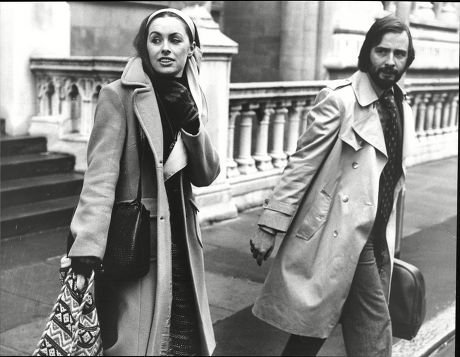
Nada Stepovich’s name has been searched frequently following her death in March 2025 at age 89. She holds a unique place in American political history as the first female governor of the U.S. territory of Alaska, serving for 11 months before statehood.
What Happened After Her Death and What Comes Next
Her passing prompted renewed interest in her brief but symbolic tenure. While no public memorial events have been announced, historians expect her story to be revisited in discussions about women in early territorial governance. Her legacy may also be highlighted in Alaska’s statehood anniversary commemorations. Public records covering this story are gathered in Nada Stepovich: The Untold Story of John Stockton's Wife
What Is Confirmed and What Remains Unverified
Her role was largely ceremonial, involving signing routine documents. Some sources claim she was the youngest governor in U.S. history, but this is difficult to verify due to varying definitions of “governor” and age records. What remains unverified is the extent of her influence on policy; most accounts suggest she had no substantive decision-making power.
How Her Role Compares to Other Young Female Leaders
Stepovich’s appointment predates other notable young female governors. For comparison, Ella Grasso of Connecticut, the first woman elected governor in her own right, took office in 1975 at age 55. More recently, Sarah Palin, also from Alaska, became governor in 2006 at age 42. Stepovich’s appointment was unique because it occurred before Alaska became a state, and her age and ceremonial duties set her apart. Unlike later governors, she did not campaign or hold elected office.
| Governor | Age at Start | Year | Context |
|---|---|---|---|
| Nada Stepovich | 22 | 1957 | Territorial acting governor |
| Ella Grasso | 55 | 1975 | Elected state governor |
| Sarah Palin | 42 | 2006 | Elected state governor |
Why Her Story Matters for Women in Politics Today
Stepovich’s brief tenure is often cited as a symbolic milestone for women in American politics. Her appointment occurred at a time when few women held executive office. While her role was limited, it demonstrated that women could be entrusted with gubernatorial duties, even if temporarily. Modern audiences, particularly those interested in women’s political history, view her as a trailblazer. Her story also highlights the unique political landscape of territorial Alaska, where family connections and necessity sometimes opened doors.
Frequently Asked Questions
Where was Nada Stepovich born?
She was born in Fairbanks, Alaska, on March 26, 1935. Her father, Mike Stepovich, was a prominent politician who later served as territorial governor.
Who is Nada Stepovich?
Nada Stepovich was the first female governor of the U.S. territory of Alaska, serving as acting governor from 1957 to 1958. She was appointed by her father and held a ceremonial role.
When did Nada Stepovich serve as governor?
She served as acting governor for 11 months, from 1957 to 1958, until Alaska gained statehood in 1959. Her tenure ended when the territorial government was replaced.
Is Nada Stepovich still alive?
No, she died on March 1, 2025, at age 89 in Oregon.
How old was Nada Stepovich when she became governor?
She was 22 years old at the time of her appointment, making her one of the youngest governors in U.S. history, though her role was largely ceremonial.
How Her Appointment Reflected Territorial Alaska’s Politics
Alaska in the 1950s was a territory with a small population and a close-knit political class. Governor Mike Stepovich needed to leave the territory for a business trip, and territorial law required a designated acting governor. He chose his daughter, Nada, who was studying at the University of Alaska. The appointment was legal but unusual. It reflected the informal nature of territorial governance, where family ties and personal trust often outweighed formal qualifications. Some historians argue that the appointment was a publicity stunt, while others see it as a practical solution to a temporary need.
What Historians Say About Her Legacy
Historians generally agree that Stepovich’s legacy is symbolic rather than substantive. She did not introduce legislation or make policy decisions. However, her appointment is often cited in discussions about women in executive office. According to some sources, her story gained renewed attention after her death, with scholars noting that she represented a rare instance of a young woman holding a gubernatorial role before the modern women’s movement. Her tenure is also used to illustrate the unique political dynamics of pre-statehood Alaska, where territorial status allowed for unconventional appointments.