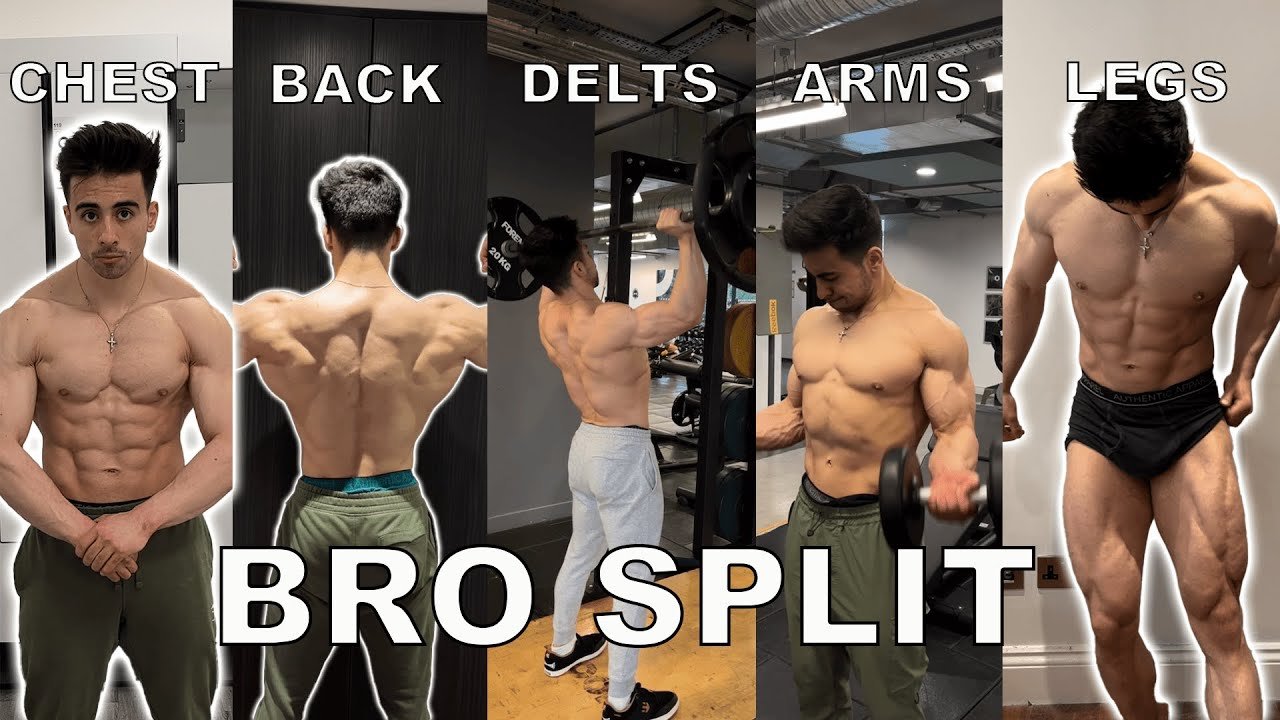
The bro split is a popular bodybuilding routine that divides workouts by muscle groups, typically training each once per week. Many wonder: can anyone do a bro split, or is it only for advanced lifters?
This training style focuses on hitting one or two muscle groups per session with high volume. It gained traction in gym culture through bodybuilders and influencers promoting muscle isolation and hypertrophy. wikipedia.org/wiki/Bodacious_(bull)” rel=”noopener noreferrer” target=”_blank”>Bodacious (bull)
Origins and Structure of the Bro Split
The bro split emerged from traditional bodybuilding practices popularized in the 1970s and 1980s. It emphasizes training each major muscle group—chest, back, shoulders, legs, and arms—on separate days. A typical weekly schedule might include chest on Monday, back on Tuesday, legs on Thursday, shoulders on Friday, and arms on Saturday.
Unlike full-body or upper-lower splits, the bro split limits frequency. Each muscle group is trained once weekly, allowing extended recovery. This approach suits those prioritizing muscle size over overall strength or athletic performance. com/bro-split-workout/” rel=”noopener noreferrer nofollow” target=”_blank”>Can Anyone Do a Bro Split Workout Routine? – Generation Iron
The term “bro” reflects its association with casual gym culture rather than scientific training principles. Despite the name, the structure has roots in periodization methods used by competitive bodybuilders.
Who Benefits Most from a Bro Split
Intermediate to advanced lifters often see the best results with a bro split. These individuals have built a foundation of strength and understand proper form. They can handle higher volume per session without overtraining.
Bodybuilders aiming for hypertrophy may find the bro split effective. Training a single muscle group intensely allows for focused overload. For example, a chest day might include flat bench press, incline dumbbell press, and cable flyes.
However, beginners may struggle with the low frequency. Research suggests muscles benefit from being trained at least twice weekly for optimal growth. Training a muscle only once per week may limit progress for new lifters.
Those with limited time or inconsistent schedules might also find the bro split impractical. Missing one session can disrupt the entire weekly plan. A more flexible routine may offer better adherence.
Limitations and Potential Drawbacks
One major concern with the bro split is reduced training frequency. Muscles respond to consistent stimulation. Training a muscle group only once per week may slow adaptation, especially for novices.
Another issue is muscle imbalance. Overemphasizing “show” muscles like chest and biceps while neglecting posterior chains can lead to postural problems. A well-rounded program includes balanced attention to all muscle groups.
Recovery demands are high. Training one muscle group intensely in a single session can lead to excessive soreness or fatigue. Without proper nutrition and sleep, overtraining becomes a risk.
The bro split also lacks cardiovascular integration. Most routines focus solely on resistance training. For overall health, combining strength work with cardio is essential.
Can Anyone Do a Bro Split? The Reality
The short answer is yes—anyone can follow a bro split. There are no physical or technical barriers preventing someone from adopting this routine. However, suitability depends on goals, experience, and lifestyle.
Beginners may benefit more from full-body workouts three times per week. These routines provide higher frequency and better movement patterns. They also build a stronger foundation for future specialization.
Time availability matters. A bro split requires at least four to five gym sessions weekly. Those with busy schedules may find it hard to maintain consistency.
Personal preference plays a role. Some enjoy the focus of single-muscle days. Others prefer varied workouts. Enjoyment increases adherence, which is key to long-term success.
Ultimately, the bro split is a tool—not a universal solution. It works well for specific goals but isn’t the only path to muscle growth or fitness.
Making the Bro Split Work for You
If you choose to try a bro split, customization is key. Adjust volume and intensity based on recovery. Listen to your body and avoid pushing through pain.
Incorporate compound movements like squats, deadlifts, and pull-ups. These exercises engage multiple muscles and support functional strength. Even on isolation days, include at least one compound lift.
Track progress with measurable goals. Note increases in weight, reps, or endurance. This data helps refine your routine over time.
Supplement with mobility work and active recovery. Stretching, foam rolling, and light cardio support joint health and reduce injury risk.
Remember, no single routine suits everyone. The best workout is the one you can stick to consistently and that aligns with your objectives.
Why Training Approach Matters More Than Labels
Focusing too much on workout labels—like bro split, push-pull-legs, or full-body—can distract from what truly matters: progressive overload, consistency, and recovery.
What defines an effective program is not its name but its structure. Does it challenge your muscles? Can you maintain it long-term? Does it support your health beyond aesthetics?
The bro split can be effective when applied thoughtfully. But it’s not inherently superior to other methods. Science supports various training frequencies and splits when properly programmed.
Choose a routine that fits your life, not just your goals. Sustainability leads to results. Whether you train by muscle group or full body, commitment matters most.
So, can anyone do a bro split? Yes. But whether they should depends on individual factors. Evaluate your experience, schedule, and objectives before committing.