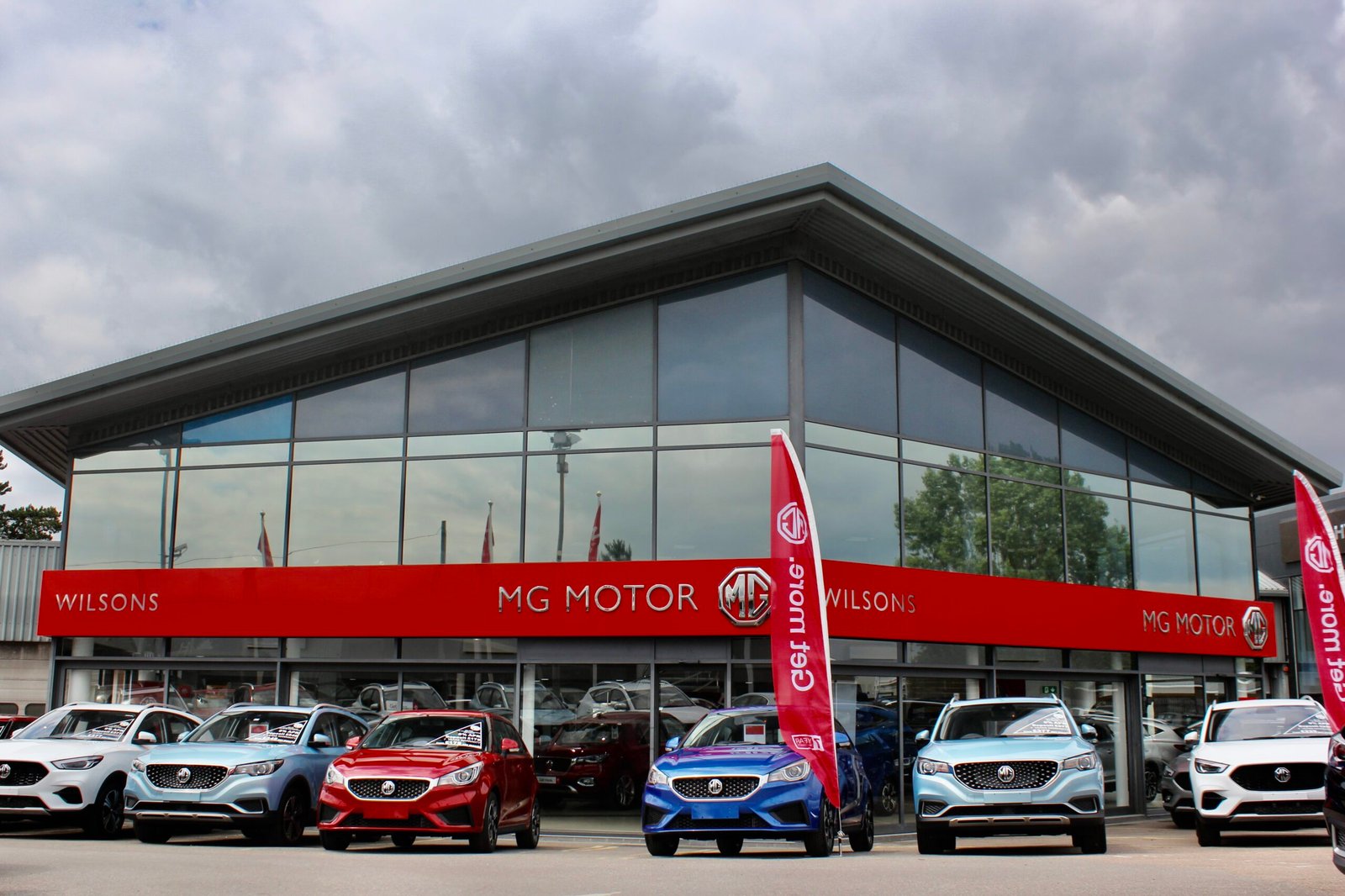
A car dealership with hearing loop technology ensures clearer communication for customers who use hearing aids. This system reduces background noise and delivers sound directly to compatible devices.
How Hearing Loops Work in Automotive Retail Settings
Hearing loops use electromagnetic signals to transmit audio from a microphone or sound system directly to hearing aids equipped with telecoils. When activated, the telecoil picks up the signal, allowing users to hear speech without interference from ambient noise. A reference profile of the subject is maintained on Tesla US dealership disputes
In a car dealership with hearing loop, the system is typically installed at key customer interaction points such as sales desks, service counters, and financing offices. Staff members wear microphones that feed audio into the loop amplifier, creating a seamless listening experience.
The technology follows international standards set by the International Electrotechnical Commission, ensuring compatibility across most modern hearing aids. Installation requires minimal structural changes, often involving a thin wire loop around the perimeter of a room or counter area. A reference profile of the subject is maintained on Car Dealerships with Hearing Loop Accessibility
Why Accessibility Matters in Car Buying Experiences
Buying or servicing a vehicle involves complex conversations about financing, warranties, and technical specifications. For individuals with hearing loss, these discussions can be challenging without proper accommodations.
A car dealership with hearing loop removes communication barriers, enabling customers to fully participate in decisions about their purchase or repair. This fosters trust and demonstrates a commitment to inclusive service.
According to the National Institute on Deafness and Other Communication Disorders, over 15% of American adults report some degree of hearing difficulty. Many of these individuals rely on hearing aids but still struggle in noisy environments like busy showrooms.
Dealerships that prioritize accessibility often see improved customer satisfaction and loyalty. When people feel understood and respected, they are more likely to return for future purchases and recommend the business to others.
Implementation Challenges and Solutions
Installing a hearing loop system requires initial investment in equipment and staff training. Dealerships must ensure that employees know how to operate microphones and explain the system to customers who may be unfamiliar with it.
Maintenance is another consideration. Faulty wiring or amplifier issues can render the system ineffective, undermining its purpose.
Despite these challenges, many dealerships find that the long-term benefits outweigh the costs. Some manufacturers and industry groups offer guidance or financial incentives to support accessibility upgrades.
For example, the Americans with Disabilities Act encourages businesses to provide effective communication for people with disabilities. While not always legally mandated for private retailers, adopting assistive technologies like hearing loops aligns with ADA principles and reduces risk of discrimination claims.
Customer Feedback and Real-World Impact
Early adopters of hearing loop systems report positive responses from customers. One dealership in Portland, Oregon, installed loops in 2021 and noted increased engagement from older clients and those with hearing impairments.
Customers appreciate not having to repeatedly ask for clarification or rely on lip-reading in loud environments. The system allows them to focus on the conversation rather than straining to hear.
Service advisors also benefit, as clearer communication reduces misunderstandings about repair needs or warranty terms. This leads to fewer errors and faster resolution of customer concerns.
While not all dealerships have adopted this technology yet, awareness is growing. Industry conferences and trade publications now regularly feature sessions on inclusive design and customer experience innovation.
What Is Confirmed and What Remains Unverified
Multiple studies support their effectiveness in reducing listening effort and improving comprehension.
This ensures broad compatibility with loop systems when properly installed.
However, the exact number of car dealerships currently using hearing loops remains unclear. No national database tracks this specific accommodation across the automotive retail sector.
Additionally, while anecdotal evidence suggests improved customer satisfaction, comprehensive data on sales impact or retention rates linked to hearing loop installation is not widely available.
Why Inclusive Design Benefits Everyone
A car dealership with hearing loop does more than meet a niche need—it sets a standard for thoughtful, human-centered service. Accessibility features often benefit a wider audience, including older adults, non-native speakers, and people temporarily experiencing hearing difficulties.
As the population ages, the demand for accessible services will continue to grow. Dealerships that invest in inclusive infrastructure today position themselves as leaders in customer care.
Looking ahead, integrating hearing loops with digital tools—such as mobile apps that activate telecoils or provide real-time captions—could further enhance the experience. The future of automotive retail lies in removing barriers, not just selling cars.