The Basics of Olympic Curling
Olympic curling is a precision sport that combines strategy, skill, and teamwork, held on an ice surface where teams aim to slide stones toward a target known as the “house.” Each match consists of two teams, each composed of four players, who take turns delivering these heavy stones down the ice. The fundamental objective of the game is to accumulate points by having stones closest to the center of the house at the end of each end, which is similar to an inning in other sports.
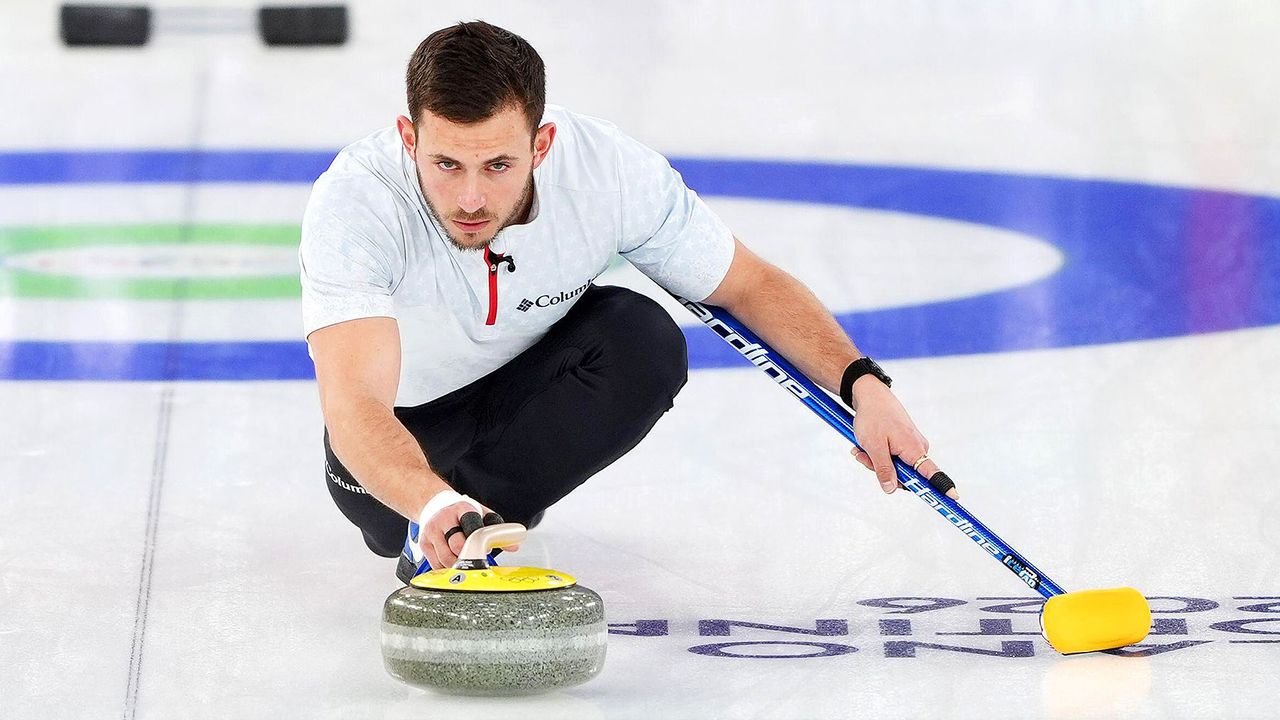
Central to the gameplay is the sliding stone, which travels on a carefully prepared sheet of ice. The stones are made of granite, designed to withstand the rigors of curling and to glide smoothly. As players deliver these stones, they must employ a technique known as “sweep”—which is where the brushes come into play. By using brushes on the ice, players can influence the trajectory of the stone, creating a significant impact on its path. This is an essential aspect of the sport that highlights the interaction between equipment and technique.
The rules of curling are defined by the World Curling Federation and govern aspects such as scoring, delivery, and brushing. Each team gets eight stones per end, allowing for strategic planning and execution. Players must also understand the importance of positioning their stones while attempting to interfere with the opposing team’s shots. With such intricacies involved, the role of brushes cannot be understated, as they help maintain or alter the condition and speed of the stone’s path as it travels, thus ultimately influencing the outcome of the game.
The Science Behind Curling Brushes
Curling brushes play a crucial role in the sport of curling, particularly regarding how they affect the stone’s path. These tools are intricately designed to optimize the interaction between the stone, the ice surface, and the players. The construction and materials used in curling brushes significantly influence their effectiveness.
Modern curling brushes are typically made from lightweight yet durable materials, such as carbon fiber composites or high-strength plastics, which ensure both ease of use and resilience. The brush head is often covered with a fabric that provides just the right amount of texture to enhance friction when sweeping. This friction is paramount, as it allows curlers to manipulate the stone’s trajectory by adjusting its speed and direction.
The physical properties of the brushes contribute significantly to how they impact the stone as it glides along the ice. When curlers sweep in front of a moving stone, they temporarily alter the conditions on the ice by heating it through friction. This creates a thin layer of water, reducing surface friction for the stone and allowing it to travel a longer distance. Consequently, the question of how do brushes affect the stone’s path in Olympic curling becomes more complex as the combination of material properties, brushing technique, and intensity of sweeping collectively influence the stone’s speed and curl.
Innovations in brush technology continue to evolve, focusing on optimizing weight distribution, the angle of bristles, and the overall surface area that contacts the ice. Such advancements allow players to fine-tune their strategies and enhance their control over the stone’s path. Therefore, understanding the science behind curling brushes is essential for appreciating their impact on the game’s dynamics.
Impact of Brush Usage on the Stone’s Path
In Olympic curling, the utilization of brushes during gameplay significantly influences the trajectory of the curling stones once they are released. When players brush the ice in front of the moving stone, they create a thin layer of water, which reduces friction between the stone and the ice surface. This modified surface can allow the stone to travel further and straighter, thus impacting its intended path. The ability to alter the ice conditions through brushing is a critical strategic element in matches.
Brushing also generates heat, which can affect the characteristics of the ice. As players apply pressure to the brush, they create friction that can raise the temperature of the ice immediately in the stone’s path. Consequently, this warming can diminish the grip the stone has on the surface, influencing both its speed and direction. Players often tailor their brushing technique depending on the desired outcome of the shot, adjusting the timing and intensity to either increase the distance traveled or ensure a more curved trajectory.
Professional curlers emphasize the importance of synchronized brushing. Coordinated teamwork can lead to an even greater effect on the stone’s path, allowing curlers to steer the stone as it moves towards the target. Insights from experienced athletes reveal that knowledge of specific brushing techniques and an understanding of ice conditions can significantly determine the success of a shot. Therefore, mastering brushing strategies is imperative for elite curlers aiming to refine their performance in Olympic competitions.
Debate and Perspectives on Brush Effectiveness
The discussion surrounding the role of brushes in Olympic curling is multifaceted, with varying opinions from curlers, coaches, and analysts contributing to an ongoing debate. Many curlers believe that brushing plays a pivotal role in controlling the stone’s path, while others argue that its impact may be overstated. Proponents of brushing assert that the technique allows players to influence the trajectory and momentum of the stone, essentially enhancing the precision of their shots. They contend that skilled brushers can effectively manage the friction and alter the stone’s velocity, thereby impacting its final position on the curling sheet.
On the other hand, some voices within the sport raise concerns about the integrity of the game. They argue that excessive reliance on brushing might undermine the fundamental principles of curling, which emphasize skill in delivering the stone with accuracy from the beginning. Critics posit that if brushes significantly affect the stone’s path, it complicates the notion of fair play and may reward teams based on their brushing capabilities rather than their strategic acumen. This perspective calls for a reevaluation of brushing techniques and their acceptance in competitive play.
Moreover, from an analytical standpoint, some analysts highlight the need for ongoing research to understand how brushes affect the stone’s path in Olympic curling. They advocate for evidence-based discussions, suggesting that comprehensive studies could illuminate the true impact of brushing on gameplay dynamics. Such inquiry might lead to adjustments in rules or techniques that could better balance the influence of this practice. Therefore, the debate over brush effectiveness remains active, with passionate advocates on both sides contributing to the discourse surrounding its significance in the realm of curling.