Understanding Fansqingers
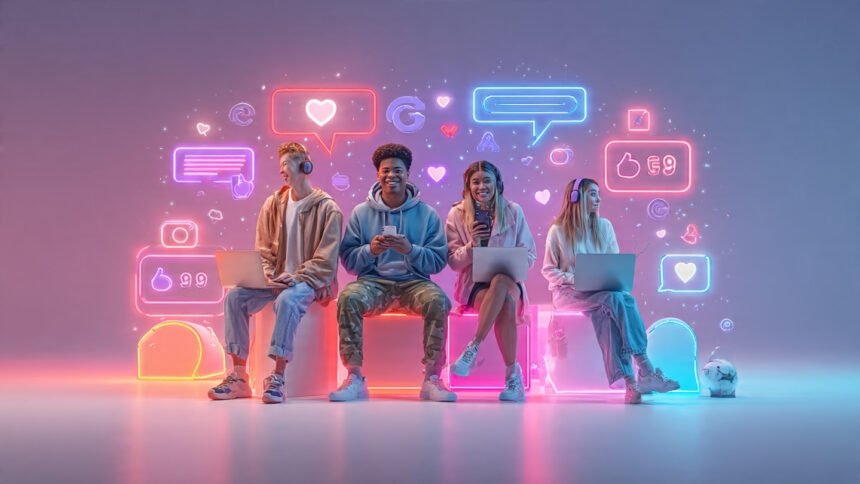
The term fansqingers represents a novel concept within the realm of the music industry, encapsulating a unique blend of artistry and audience engagement. Fansqingers are not merely performers; they embody a new type of artist who actively interacts with their fan base, leveraging social media and various platforms to create a community around their music. Unlike traditional singers, whose primary focus may be on vocal proficiency and stage performance, fansqingers prioritize the connection with their audience, fostering a sense of belonging and participation.
The origin of the term can be traced back to the increasing importance of digital platforms in music distribution and promotion. As the industry evolved, artists recognized the necessity of engaging their audience beyond the concert setting. This has led to the emergence of fansqingers as vocalists who understand the power of fan interaction and engagement in today’s music landscape. Through initiatives such as live streaming, social media polls, and collaborative online projects, fansqingers create immersive experiences that resonate with their audience.
Furthermore, fansqingers often blur the lines between creator and consumer. They encourage their fans to contribute ideas and content related to their music, essentially inviting them into the creative process. This approach fosters loyalty and strengthens the bond between the artist and their followers, distinguishing fansqingers from traditional singers who may not engage in such reciprocal interactions.
In summary, fansqingers represent a significant shift in how music is experienced and shared, emphasizing the importance of audience connection. Their ability to marry artistry with community engagement enables them to thrive in an increasingly digital world, marking a new chapter in the evolution of music culture.
The Impact of Fansqingers on Music and Culture
The emergence of fansqingers has significantly influenced contemporary music and pop culture, redefining how artists and audiences interact. Fansqingers, artists who actively engage with their fanbase through social media and live performances, have contributed to the evolution of various musical genres by blending traditional elements with modern trends. This integration of styles creates a dynamic atmosphere that resonates with a diverse audience, effectively expanding the reach of their music.
A notable aspect of fansqingers is their unique approach to fan engagement. These artists leverage platforms such as Instagram, TikTok, and YouTube to foster a deeper connection with their supporters. This interactivity not only enhances the overall musical experience but also creates a sense of community among fans. For instance, famed fansqinger Billie Eilish has used her social media presence to involve her audience in her creative process, allowing fans to feel a sense of ownership over her music. Such strategies transform listeners into active participants, substantiating the power of fan engagement in today’s music industry.
Moreover, the innovative ways fansqingers connect with their audiences often lead to cultural shifts. By addressing current social issues and embracing authenticity in their music and messaging, these artists resonate with the values of younger generations. For example, fansqingers like Lil Nas X have not only broken genre barriers but have also sparked conversations surrounding identity and representation within the music scene. This cultural impact extends beyond music, influencing fashion trends, social movements, and even conversations around mental health.
In essence, fansqingers serve as catalysts for change in the music landscape, shaping contemporary culture while fostering community and innovation among their listeners.
The Journey to Becoming a Fansqinger
Becoming a fansqinger is an exciting yet demanding journey that requires a unique set of skills and a profound understanding of the music industry. At the core of this journey lies a passion for music and an ability to connect with audiences on a personal level. Aspiring fansqingers must hone their vocal skills, stage presence, and adaptability to various musical styles. This versatility not only enriches their performances but also broadens their appeal to different listener demographics.
In today’s digital age, social media plays a pivotal role in the success of any emerging artist, particularly fansqingers. Platforms such as Instagram, TikTok, and YouTube provide these artists with the opportunity to showcase their talent and build a following. Engaging with fans in a genuine manner is crucial; this means sharing behind-the-scenes content, responding to comments, and creating a sense of community. By leveraging social media efficiently, fansqingers can increase their visibility and gain recognition within the music scene.
Building a personal brand is equally significant for anyone on the path to becoming a fansqinger. Artists should define their unique identity, encompassing their style, values, and artistic vision. This distinctiveness sets them apart from the vast number of artists vying for attention. A well-defined personal brand can open doors to collaborations, performances, and even sponsorships, amplifying the artist’s reach and reputation.
For budding fansqingers, it is essential to remain persistent and open to learning. Networking with industry professionals, participating in open mic events, and consistently engaging in practice are vital steps in carving a successful path. Additionally, aspiring artists should focus on producing high-quality content regularly, allowing them to refine their skills and stay relevant in the competitive music landscape. With dedication and a strategic approach, the journey to becoming a recognized fansqinger can be fulfilling and ultimately rewarding.
Future of Fansqingers in the Music Industry
The landscape of the music industry is continually transforming, especially with the emergence of fansqingers who represent a unique blend of fan engagement and musical talent. As technology advances, the relationship between fans and fansqingers is likely to evolve, shaping new trends in music consumption and artist promotion.
One of the critical drivers of this change is technological innovation. The rise of social media platforms has revolutionized how artists connect with their audience, providing fansqingers with unprecedented opportunities to showcase their talents. Applications like TikTok and Instagram have given rise to viral sensations, allowing budding fansqingers to build a following and engage with their fan base instantly. This instant accessibility fosters a more dynamic relationship between artists and fans, offering personalized interaction that traditional media never achieved.
Moreover, evolving consumer expectations are reshaping the music scene. Today’s audiences seek authenticity and connection with the artists they support. Fansqingers, often viewed as relatable figures, are uniquely positioned to meet these demands. As they strive to cultivate genuine relationships with their followers, we may witness an increase in collaborative projects and live events tailored to enhance the fan experience.
Looking ahead, experts predict several emerging trends that may influence the role of fansqingers within the music industry. Trends may include the rise of collaborations between established artists and fansqingers, further blurring the lines between fan engagement and professional artistry. Additionally, the incorporation of virtual and augmented reality in live performances can create immersive experiences that redefine how fansqingers present their music and connect with their audience.
In conclusion, fansqingers are poised to play an integral role in the future of the music industry. As they harness technological advancements and adapt to changing consumer expectations, they will likely redefine the traditional artist-fan relationship, resulting in new paradigms for music creation and enjoyment.
Read more about Play Games free.
Read more about Indian Cinema News.
Read more about isabella ladera y beele.
Read more about EunfachPorno.
Read more about Article writer.
Read more about dreamgirl9292.
Read more about tiffanyxduhh1.
Read more about New Info.
Read more about Click here.
Read more about New Article.
Read more about New Article.
Read more about New Article.
Read more about magzine.
Read more about NewInstamatch.
Read more about News.
Read more about Lubli.