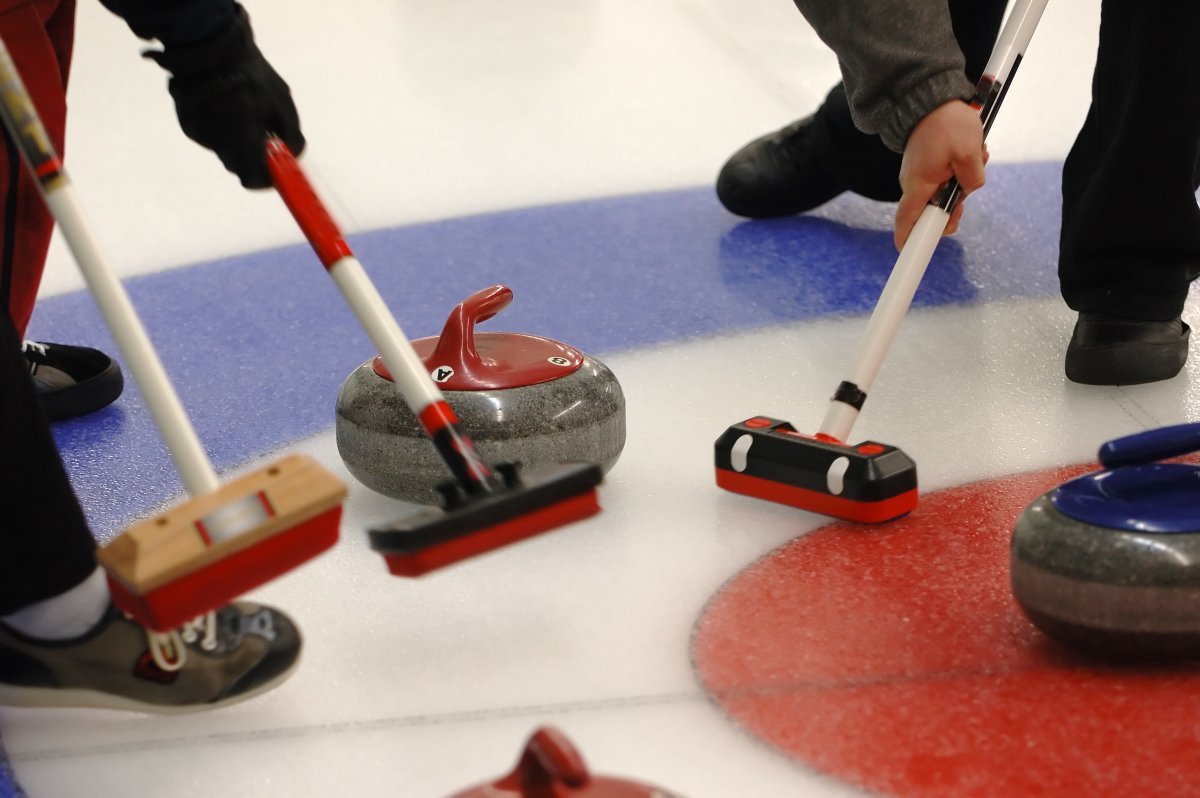
The Mechanics of Curling Stones
Curling, a captivating sport rich in strategy and precision, revolves around the curling stones and their interaction with the ice surface. Understanding the construction and mechanics of these stones is paramount to appreciate their behavior during gameplay. Typically made from a high-density granite, curling stones weigh approximately 44 pounds (20 kilograms) and boast a cylindrical shape with a polished bottom. This design ensures that when a stone is released onto the ice, it glides smoothly while maintaining a stable trajectory.
The weight distribution within the curling stone significantly influences its path. A central core and a uniformly thick rim facilitate even weight distribution, generating a level of balance essential for direct contact with the ice. The release of the stone is another critical factor affecting its trajectory. The angle and speed at which a stone is delivered contribute to its overall movement. A well-executed release can lead to a straighter path, while a more aggressive or rotated release introduces the possibility of curling, which is the process of the stone veering left or right.
The degree of rotation imparted during release and the initial speed showcase the intricacies involved in curling mechanics. As the stone travels down the ice, the rotation affects the friction between the stone and the ice surface, which can either enhance or detract from its intended course. Understanding how do brushes affect the stone’s path in Olympic curling becomes clearer when considering how these factors interplay. By controlling the stone’s rotation and speed, players can make split-second decisions that utilize brushing to achieve a desired outcome. The mechanics of the stones thus set the foundation for comprehending the strategic role that brushing will play in altering their trajectory.
The Role of Brushes in Curling
Curling brushes play an integral role in the dynamic nature of Olympic curling, contributing significantly to the strategy and execution of the game. These brushes are designed to affect the stone’s path, enabling players to control its speed and trajectory on the ice. The design of a curling brush typically includes a lightweight handle and a textured pad, with variations in material to optimize performance. Common materials for the brush head include nylon and polyester, which offer different levels of abrasion and durability.
The technique employed in brushing involves the coordinated efforts of team members as they strategically influence the stone’s movement. When a player brushes the ice in front of the stone, they effectively reduce the friction between the stone and the ice surface. This reduction in friction allows the stone to travel further and with less drag, enabling more precise paths. The ability to manipulate the stone’s speed and direction is crucial, especially when aiming for specific targets on the curling sheet.
Brushing can also impact the amount of curl—the lateral movement of the stone caused by its rotation—by altering the conditions of the ice in real-time. As brushes sweep the ice, they create a thin layer of water, which can momentarily decrease friction further and allow the stone to slide more smoothly. Such manipulation can prove essential during critical points in a match, particularly in competition settings like the Olympics.
Overall, understanding how brushes affect the stone’s path in Olympic curling highlights the intricate interplay of technique and equipment in this captivating sport. Each stroke of the brush is not merely an action but a vital tactical maneuver that alters the dynamics of each game, defining strategies and outcomes with every play.
How Do Brushes Affect the Stone’s Path?
In Olympic curling, the role of brushes is pivotal in determining the stone’s path on the ice. To understand how do brushes affect the stone’s path in Olympic curling, one must delve into the physics at play during the game. When a curler brushes the ice, they are effectively altering its texture and temperature, thereby influencing the stone’s speed and trajectory.
Brushing modifies the condition of the ice by creating a thin layer of water on the surface, which reduces friction. This action allows the stone to travel faster than it would on unbrushed ice, making it crucial for teams to time their brushing effectively to maintain the stone’s velocity. For instance, if a stone needs to reach a specific spot at the end of the lane, strategizing brushing techniques can significantly increase the chances of success. The combination of speed and precision is vital, and teams often practice various brushing techniques to fine-tune their approach.
Moreover, brushing influences the stone’s curl—a term that refers to the stone’s ability to curve as it travels down the ice. The amount of brushing applied can change the amount of rotation and, consequently, the trajectory of the stone. Teams utilize this knowledge by coordinating their shots, knowing precisely how much brushing to apply during different phases of the delivery. Without this element, the pathway of the stone could be less predictable, hindered by the unevenness of the ice. In essence, understanding how do brushes affect the stone’s path in Olympic curling is fundamental for strategies that lead to victory.
Impact on Game Strategy and Performance
The interaction between a curling brush and the stone’s path is pivotal in shaping the strategy and performance of teams during Olympic curling competitions. Understanding how brushes affect the stone’s path allows teams to devise tactics that enhance their chances of success. For instance, the timing of brushing can significantly influence the stone’s trajectory, speed, and final placement. This understanding is critical when considering how different ice conditions may affect the game.
Effective teams display a remarkable coordination among players, which is essential for executing brushing strategies optimally. This coordination is particularly crucial when deciding how aggressively to brush and at what moments during the stone’s glide. Players must communicate efficiently to adjust their brushing intensity based on the stone’s speed and intended target. This teamwork not only optimizes the stone’s path but also enhances the overall performance of the team within a match.
A major part of game strategy revolves around anticipating the two key elements of brush influence: the distance the stone will travel and its final resting position. Teams often analyze the opponent’s previous throws and adapt their strategies based on observed brushing techniques. As a result, every brush stroke is not merely a physical action but transforms into a strategic decision that can ultimately dictate the outcome of the game. It becomes apparent that the art of curling goes beyond mere execution and involves a deep understanding of how do brushes affect the stone’s path in Olympic curling. This understanding leads to refined tactics that can greatly enhance a team’s competitiveness on the ice.