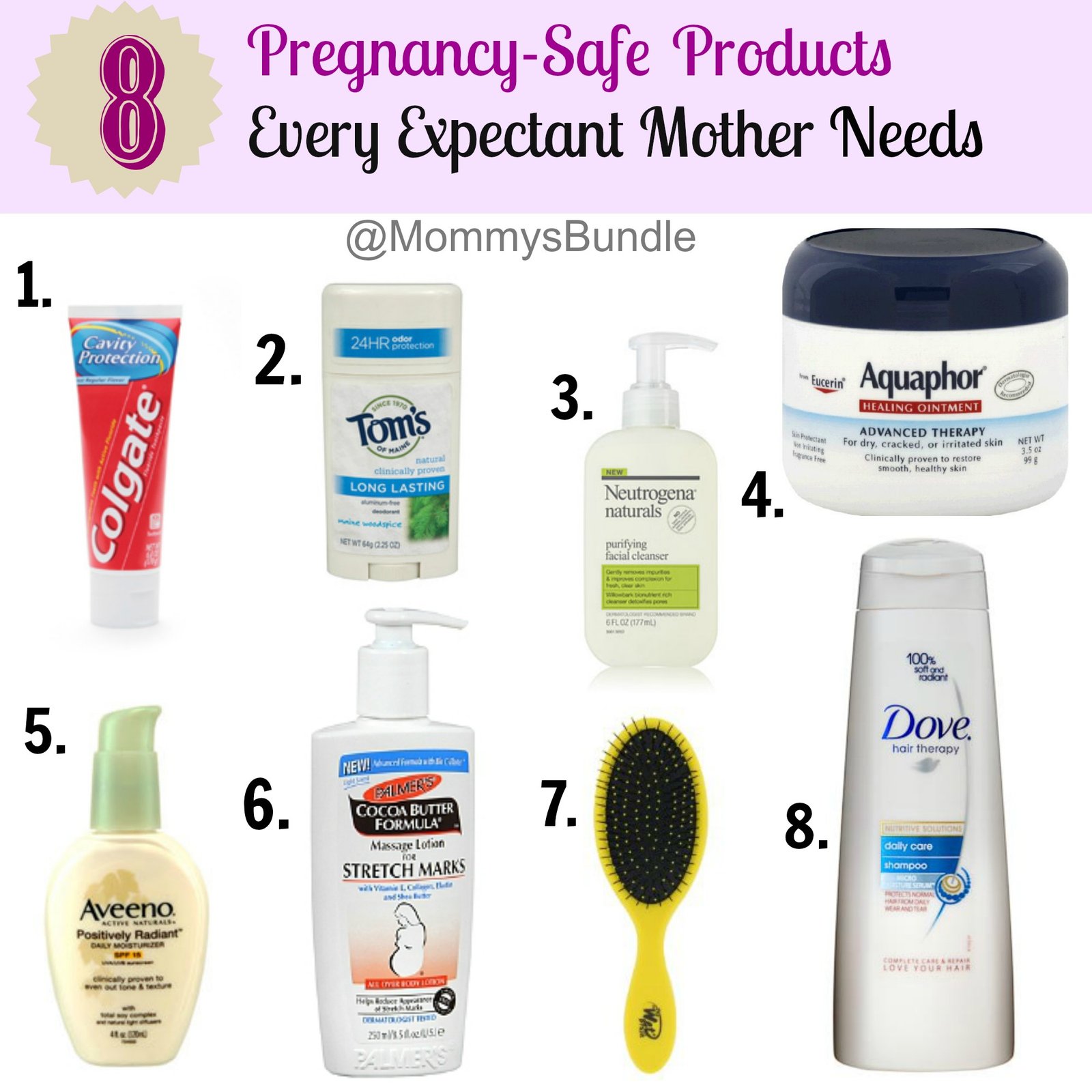
Many pregnant women wonder if popular skincare brands like Nivea are safe during pregnancy compared to natural alternatives like Burt’s Bees or dermatologist-recommended lines like Mustela. Hormonal changes increase skin sensitivity, making ingredient transparency essential. On a related note, Hearthstats Net News: Updates and Community Insights adds useful context
Understanding what’s in your moisturizer, body wash, or stretch mark cream helps reduce exposure to potentially harmful compounds. While no major regulatory body bans cosmetic use during pregnancy, certain ingredients raise concerns among healthcare providers. Public records covering this story are gathered in Mum, I’m Alien Pregnant
How Major Brands Approach Pregnancy-Safe Formulations
Nivea, a German brand founded in 1911, offers a wide range of body creams and lotions. Many of its products contain petrolatum, glycerin, and fragrance. Some formulations include parabens, which act as preservatives but have been scrutinized for potential endocrine-disrupting effects. Although the European Commission’s Scientific Committee on Consumer Safety has deemed certain parabens safe at low concentrations, some pregnant women prefer to avoid them as a precaution.
Burt’s Bees, established in 1984 in the United States, markets itself as a natural skincare company. Its products often feature botanical extracts, beeswax, and plant-based oils. The brand avoids parabens, phthalates, and synthetic fragrances in many of its lines. However, “natural” doesn’t always mean risk-free. Some essential oils, like lavender or rosemary, used in Burt’s Bees products, are advised against during pregnancy due to limited safety data. Public records covering this story are gathered in I'm a Pregnant Woman: Are Nivea Products Safe Compared to Burt's Bees …
Mustela, a French brand created in 1950, specializes in baby and maternal skincare. It developed the first stelactiv formula in 1961 to support skin elasticity during pregnancy. Mustela’s products are frequently recommended by obstetricians and dermatologists. The brand emphasizes hypoallergenic testing and avoids known irritants. Its formulations often include avocado peptides and sunflower oil, which are considered safe and beneficial for sensitive skin.
Key Ingredients to Watch During Pregnancy
Retinoids, including retinol and retinyl palmitate, are common in anti-aging creams but are strongly discouraged during pregnancy. These vitamin A derivatives have been linked to birth defects in high doses. While Nivea’s basic moisturizers typically don’t contain retinoids, some of its specialty products might. Always check labels or consult the company’s ingredient database.
Salicylic acid, especially in high concentrations, is another concern. Found in some exfoliating treatments, oral salicylic acid is known to pose risks, but topical use in low amounts is generally considered low risk. Burt’s Bees avoids high-dose salicylic acid in its pregnancy-relevant products, focusing instead on gentle exfoliants like lactic acid.
Phthalates, often hidden under the term “fragrance,” are plasticizers that may disrupt hormonal balance. Mustela explicitly states it does not use phthalates, and Burt’s Bees follows a similar policy. Nivea has reduced phthalate use in recent years but may still include synthetic fragrances that lack full ingredient disclosure.
Formaldehyde-releasing preservatives, such as DMDM hydantoin, are another point of caution. These can cause skin irritation and are best avoided by sensitive individuals. Mustela avoids these preservatives, while Burt’s Bees uses alternative natural preservatives. Nivea’s use varies by product and region.
What Is Confirmed and What Remains Unverified
S. FDA. These regulations prohibit the use of known teratogens in consumer products. However, the long-term effects of low-level exposure to certain preservatives and fragrances during pregnancy remain understudied.
There is no conclusive evidence that occasional use of Nivea products causes harm during pregnancy. Similarly, Burt’s Bees and Mustela have not been linked to adverse outcomes. What remains unclear is how cumulative exposure to multiple products—each containing trace amounts of questionable ingredients—might affect fetal development.
Dermatologists generally agree that patch testing new products and minimizing unnecessary chemical exposure is wise. However, there is no universal consensus on which brand is “safest.” Individual skin reactions vary, and what works for one person may not suit another.
Why Ingredient Awareness Matters for Expecting Mothers
Choosing skincare during pregnancy isn’t just about avoiding risks—it’s about supporting skin health during a time of significant change. Stretch marks, dryness, and acne are common, and safe, effective products can improve comfort and confidence. Opting for brands with transparent labeling and dermatologist backing, like Mustela, or natural-focused lines like Burt’s Bees, allows for more informed decisions.
While Nivea remains a widely used and generally safe option, pregnant women may prefer to select products with fewer synthetic additives. Reading labels, consulting healthcare providers, and prioritizing simplicity in formulations can help reduce uncertainty. Ultimately, the best choice depends on personal health history, skin type, and comfort level with ingredient lists.