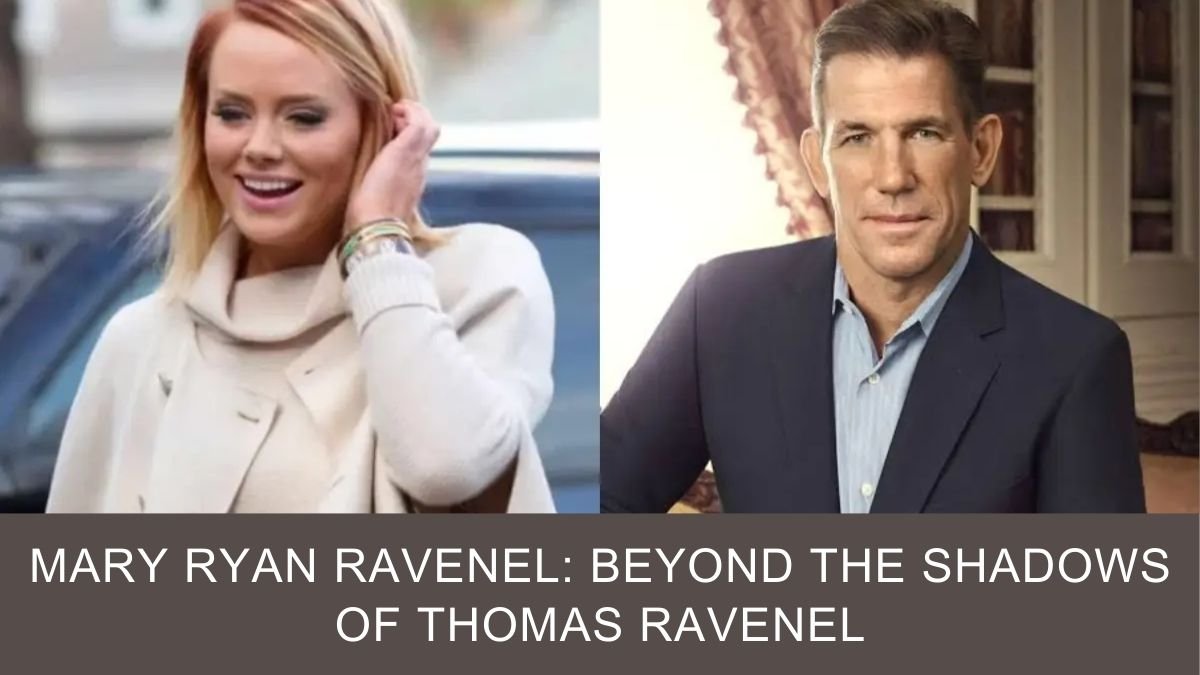
Interest in Mary Ryan Ravenel has grown among readers exploring the networks of influential American families during the late 19th and early 20th centuries. Her name surfaces in historical records tied to prominent lineages, yet much of her personal story remains understated in widely available sources.
How Mary Ryan Ravenel’s Family Background Shaped Her Social Position
Mary Ryan Ravenel emerged from a milieu where family alliances defined public influence. The Ravenel name carried weight in Southern social circles, particularly in Charleston, South Carolina, where the family had deep roots. Her marriage connected two lineages that each held distinct regional prominence. The Ryan family brought its own standing, creating a union that reinforced both networks. Such marriages were common among elite families seeking to consolidate social capital during the post-Reconstruction era. Mary Ryan Ravenel occupied a space where hospitality, charity, and social visibility were expected obligations rather than optional pursuits. Background on mary ryan ravenel is documented in Mary Ryan Ravenel: The Untold Story of Thomas Ravenel's Former Wife
| Aspect | Details |
|---|---|
| Family Origin | Ravenel family rooted in Charleston, South Carolina |
| Marriage Alliance | Connected Ryan and Ravenel family lines |
| Social Era | Active during late 19th and early 20th centuries |
| Public Role | Philanthropy and elite social engagements |
How Her Social Role Reflected the Expectations of Her Era
Women of Mary Ryan Ravenel’s standing were expected to serve as custodians of family reputation. This meant overseeing charitable activities, hosting gatherings, and maintaining correspondence across extended networks. The cultural relevance of such figures lay not in elected office or published works but in the invisible labor of sustaining elite institutions. Church committees, hospital boards, and cultural societies often depended on women like her for organizational continuity. Her influence operated through personal relationships rather than public declarations. This pattern was typical of a period when formal political power remained largely inaccessible to women of her class and region.
What Is Known About Her Later Years and Current Historical Standing
Mary Ryan Ravenel does not appear frequently in contemporary media coverage or mainstream biographical databases. Her historical footprint rests primarily on genealogical records and regional archives. Some sources note her presence in Charleston society pages from the early decades of the twentieth century. Beyond these references, detailed accounts of her later life remain scarce in widely accessible publications. Researchers interested in her story often turn to local historical societies and family-held documents for further insight.
Key Moments and Milestones in Mary Ryan Ravenel’s Documented Life
Tracing her timeline requires reliance on fragmentary records. Her birth into the Ryan family positioned her within a network that valued education and social engagement. Her marriage to a member of the Ravenel family marked a significant milestone, merging two established lineages. Throughout the early 1900s, she appeared in connection with charitable events and society functions in Charleston. The absence of extensive personal writings or published interviews means that much of her inner life remains undocumented. What survives points to a woman who fulfilled the expected roles of her station with consistency, leaving behind a legacy defined more by social contribution than by individual fame.
Frequently Asked Questions
Is Mary Ryan Ravenel still alive today?
Based on available historical records, Mary Ryan Ravenel lived during the late nineteenth and early twentieth centuries. She is not a contemporary public figure, and no credible sources suggest she is living today.
Where was Mary Ryan Ravenel primarily active during her lifetime?
She was primarily associated with Charleston, South Carolina, where the Ravenel family had deep roots. Her social and charitable activities centered on this region, though her family connections extended more broadly.
Are there any controversies or unverified rumors surrounding Mary Ryan Ravenel?
Most records focus on her family connections and social standing rather than scandal or dispute.
How does Mary Ryan Ravenel differ from other prominent women of her social class?
Unlike women who pursued public careers in writing, activism, or politics, her influence operated through private social networks and charitable work. This distinction reflects the varied ways elite women exercised influence during her era.
Why did Mary Ryan Ravenel’s family connections matter in her historical context?
Family alliances among elite lineages determined access to social institutions, charitable organizations, and political networks. Her marriage reinforced both family positions, illustrating how personal unions shaped broader social structures in the post-Reconstruction South.
How Researchers and Genealogists Approach Her Story Today
Scholars interested in Mary Ryan Ravenel often face the challenge of limited primary sources. Unlike public figures who left behind published memoirs or extensive correspondence, her documentation relies heavily on society columns, church records, and family genealogies. Local archives in Charleston hold some of the most promising materials for reconstructing her activities. Historical societies in South Carolina occasionally feature the Ravenel family in broader exhibitions about the city’s elite families. Digital genealogy platforms have made it easier for researchers to trace connections, though the depth of available information varies considerably across databases. The fragmented nature of the record means that any comprehensive account of her life requires careful cross-referencing of multiple regional sources.
How Her Legacy Connects to Broader Patterns of Elite Southern Womanhood
The decades following Reconstruction saw shifting expectations for women of her class, even as traditional structures of influence remained largely intact. Women like her served as bridges between old planter aristocracies and the emerging industrial order. Their charitable work often supported institutions that reinforced existing social hierarchies while also addressing genuine community needs. Understanding figures such as Mary Ryan Ravenel helps historians map the informal power structures that shaped Southern society well into the twentieth century. Her story, though modest in its surviving documentation, reflects patterns shared by many women whose contributions were essential yet rarely celebrated beyond their immediate circles.