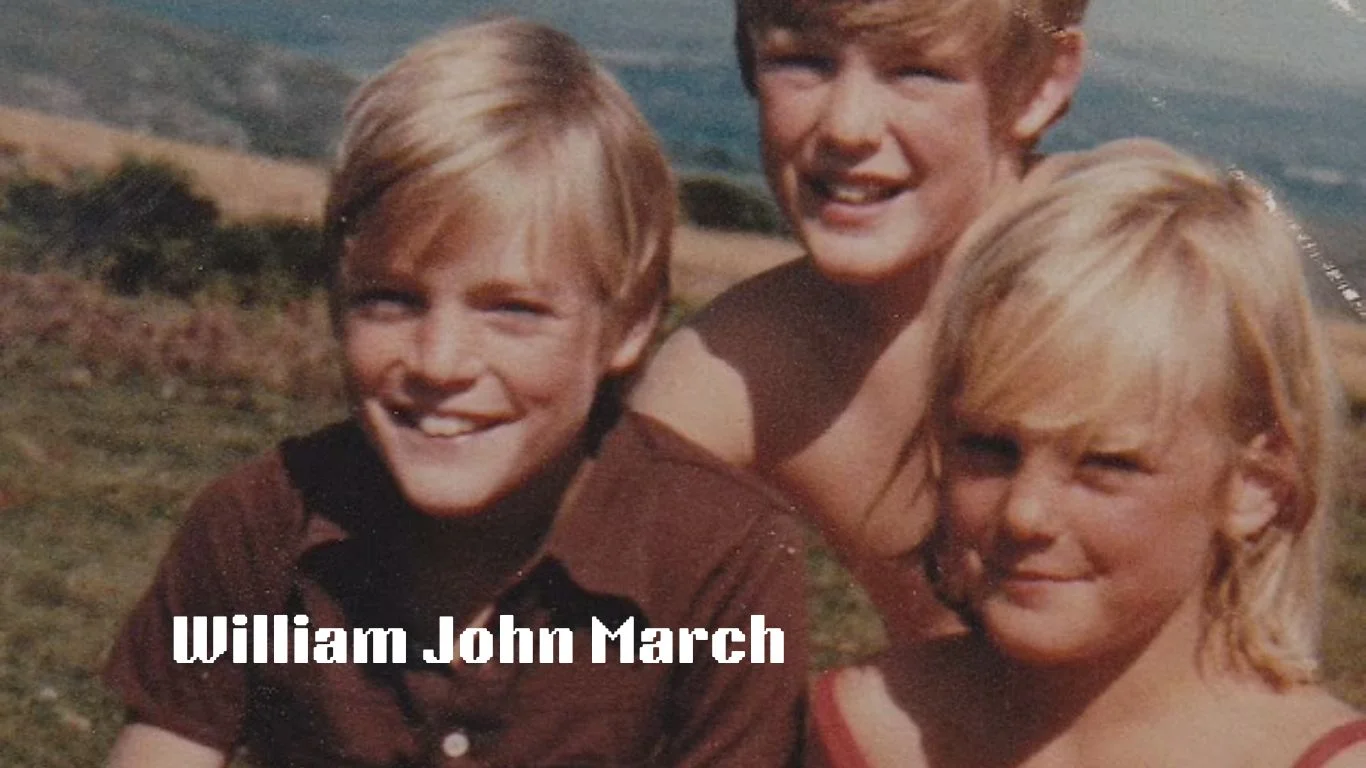
In 1989, a salmonella outbreak linked to a wedding reception in Aylesbury changed the life of one of Britain’s best-known television cooks. William John March, the son of baking personality Mary Berry, died at the age of 19 following the incident.
How the Aylesbury Wedding Tragedy Shaped Public Awareness
The salmonella outbreak at a wedding reception in Aylesbury, Buckinghamshire, in 1989 affected dozens of guests and drew national media attention. William John March, one of three children born to Mary Berry and her husband Paul Hunnings, was among those who fell seriously ill. He died shortly after the event, sending shockwaves through the local community and beyond. The case became a landmark moment in British public health discourse around food safety. It prompted renewed scrutiny of catering standards at large events and contributed to broader conversations about salmonella prevention in commercial kitchens. Berry herself later spoke about the tragedy in interviews, describing it as the worst period of her life. The case remains one of the most widely cited personal stories in discussions about foodborne illness in the United Kingdom. A reference profile of the subject is maintained on William John March: The Tragic Story of Mary Berry's Son and His …
How William John March’s Story Compares to Other Food Safety Cases
Food poisoning fatalities in the UK are relatively rare, but when they occur, they often become catalysts for policy change. The 1989 Aylesbury incident shares similarities with other high-profile cases, such as the 1996 Wishaw E. coli outbreak in Scotland, which killed 21 people. Both cases involved large catering events and led to public inquiries. However, what sets the March case apart is the prominence of the family involved. Mary Berry was already a well-known figure in British food media, having published several cookbooks and appeared on television programs. Her willingness to speak publicly about her son’s death gave the story a human dimension that resonated with audiences far beyond the food industry. Unlike many food safety tragedies that fade from public memory, Berry’s ongoing advocacy has kept the issue visible for decades.
Key Moments in the Aftermath and Legal Proceedings
Following William John March’s death, an investigation traced the salmonella source to food served at the wedding reception. The catering company involved faced legal action, and the case was settled out of court. Berry and her husband channeled their grief into advocacy, working to raise awareness about food hygiene standards. Berry became a vocal supporter of stricter food safety regulations and participated in campaigns aimed at improving catering practices across the UK. Over the years, she has referenced her son’s death in multiple interviews, using her platform to emphasize the real-world consequences of poor food handling. The tragedy also influenced her own approach to food safety in her television programs and cookbooks, where she has consistently emphasized proper cooking temperatures and hygiene practices.
Mary Berry’s Ongoing Advocacy and the Lasting Legacy
Decades after the 1989 tragedy, Mary Berry continues to be one of Britain’s most beloved television personalities, best known for her role as a judge on The Great British Bake Off. Throughout her career, she has periodically spoken about William John March and the impact his death had on her family. Her advocacy work has contributed to a broader cultural shift in how the British public thinks about food safety, particularly at large events and in commercial catering. Berry has supported organizations working to improve food hygiene standards and has used her media presence to educate home cooks about safe food handling. The legacy of William John March extends beyond a single family’s loss. It serves as a reminder of the importance of food safety in both professional and domestic kitchens, a message that Berry has carried throughout her decades-long career in food media.
| Detail | Information |
|---|---|
| Full Name | William John March |
| Year of Death | 1989 |
| Age at Death | 19 |
| Location of Incident | Aylesbury, Buckinghamshire |
| Cause of Death | Salmonella poisoning from a wedding reception |
Frequently Asked Questions
Is William John March still alive today?
No, William John March died in 1989 at the age of 19 from salmonella poisoning contracted at a wedding reception in Aylesbury, Buckinghamshire. His death was a pivotal moment in his mother Mary Berry’s life and career.
When did William John March die and what caused his death?
He died in 1989 after consuming food contaminated with salmonella at a wedding reception in Aylesbury. The outbreak affected multiple guests, but March’s case proved fatal, leading to widespread media coverage and public health discussions.
Who were William John March’s parents?
His mother is Mary Berry, the well-known British television cook and former judge on The Great British Bake Off. His father is Paul Hunnings, a retired antiques dealer. The couple also had two other children together.
What is William John March best known for in public memory?
He is primarily remembered in connection with the 1989 Aylesbury salmonella outbreak and its impact on his mother Mary Berry. The tragedy became a defining moment in Berry’s advocacy for improved food safety standards across the United Kingdom.
Where did the salmonella outbreak that killed William John March occur?
The outbreak occurred at a wedding reception in Aylesbury, Buckinghamshire, in 1989. The catering company responsible was later subject to legal proceedings, though the case was ultimately settled out of court.